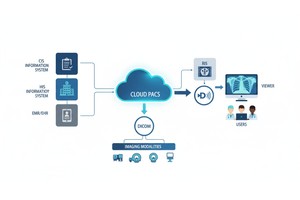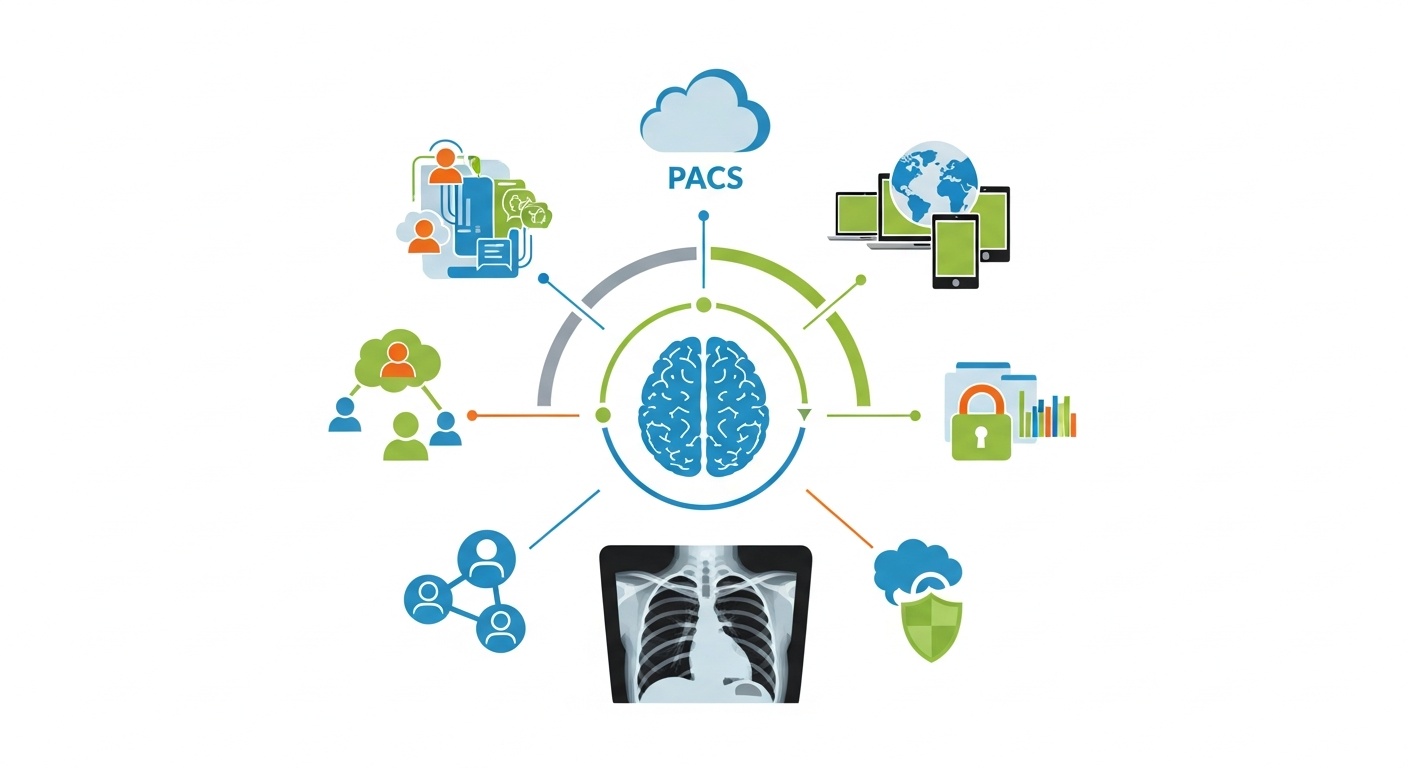
In an age where medical imaging is at the heart of diagnosis, education, and clinical collaboration, the need for a reliable, accessible, and secure PACS (Picture Archiving and Communication System) has never been greater. Traditional PACS solutions often come with steep costs, clunky installations, and limited accessibility. That’s where PostDICOM steps in, a cloud-based PACS platform designed to simplify how healthcare professionals, educators, and researchers manage, view, and share medical images.
Whether you’re running a clinic, managing a teaching hospital, or working in medical research, understanding PostDICOM’s full scope before subscribing to its paid plans can help you make an informed decision. Let’s dive deep into what makes PostDICOM unique, its advanced capabilities, and the factors worth considering before upgrading.
Unlike traditional PACS systems that rely on expensive servers and complex IT setups, PostDICOM operates entirely in the cloud. This alone changes the game for many organizations that don’t have the infrastructure or manpower to maintain local systems.
Once an account is set up, users can upload, store, and manage medical images securely from any internet-enabled device. The interface works smoothly across desktops, tablets, and smartphones, a major advantage for radiologists, surgeons, and consultants who need access on the go. The cloud design also eliminates the need for physical backups, manual updates, or local database maintenance.
But PostDICOM isn’t just a passive storage solution. It’s engineered as an interactive workspace, meaning users can analyze and report on cases directly from the web interface. Since the system runs on an HTML5 foundation, there’s no need for third-party plugins or software downloads. Everything functions directly within the browser.
In smaller clinics or developing regions, on-premise PACS systems are often cost-prohibitive. PostDICOM provides enterprise-level capabilities without the need for a server room, making it especially useful for multi-location practices and mobile radiology units. Automatic scaling ensures that even as your image volume grows, your system performance doesn’t decline, a flexibility that older PACS infrastructures can’t easily match.
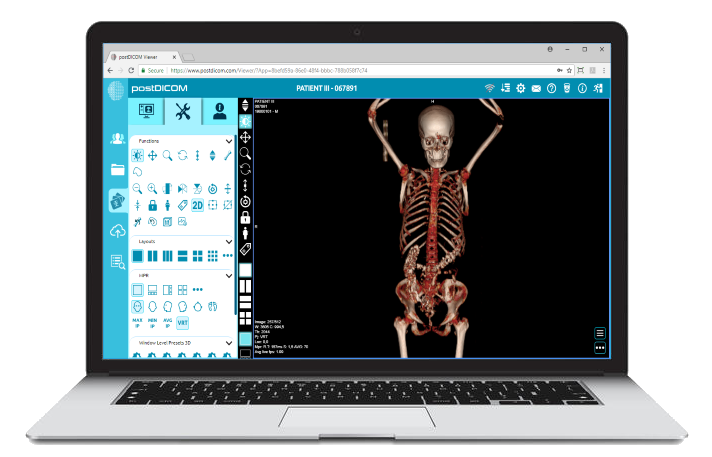
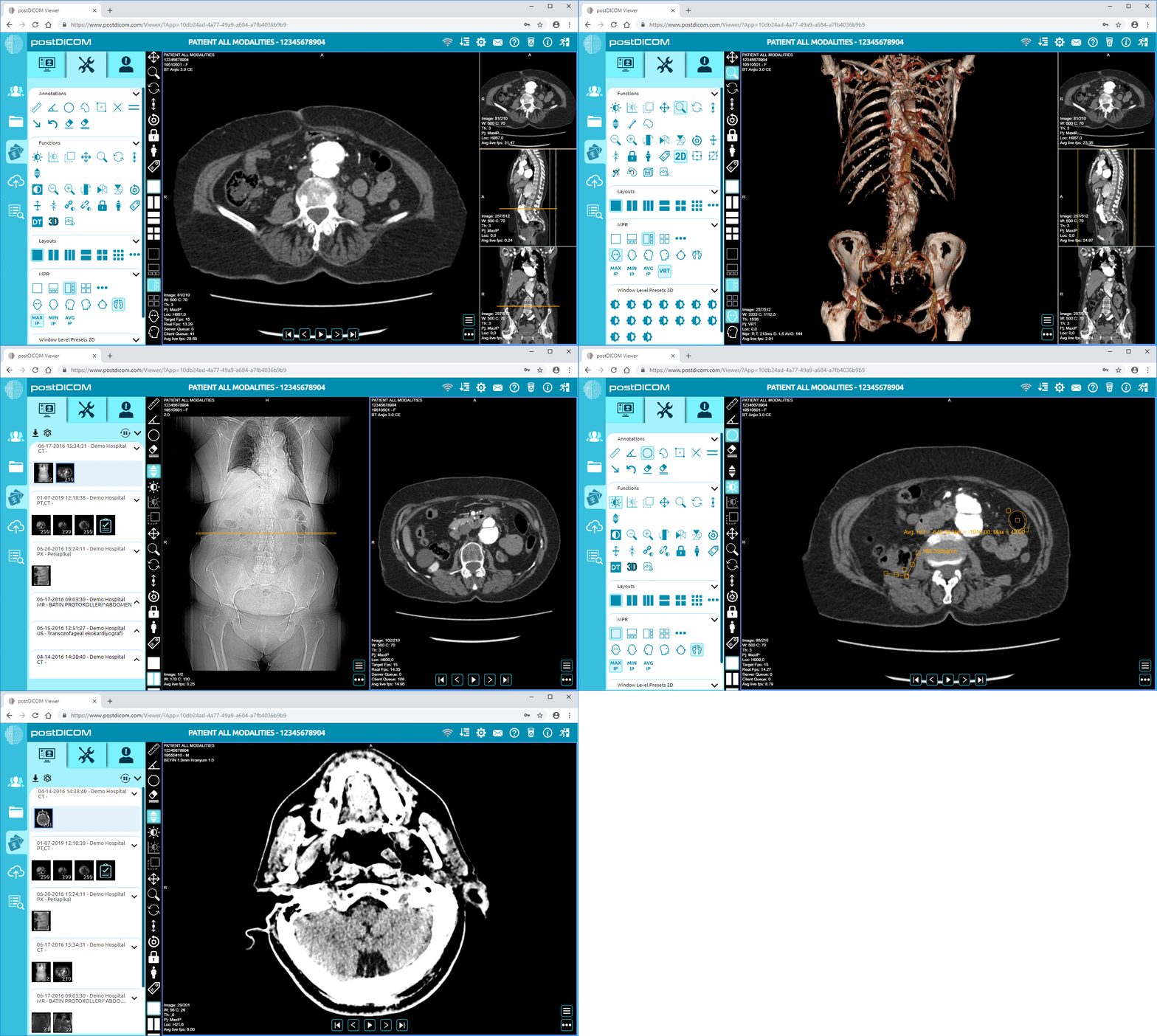
PostDICOM’s CE-certified diagnostic viewer is its crown jewel. Built entirely on HTML5, it allows radiologists and physicians to interpret medical images with the precision and reliability expected of professional-grade software.
The viewer isn’t limited to basic 2D imaging. It includes advanced visualization tools such as:
• Mpr (multiplanar Reconstruction): For slicing images across multiple planes.
• Mip And Minip (maximum And Minimum Intensity Projection): For highlighting structures like vessels or airways.
• Avgip (average Intensity Projection): Useful for soft tissue differentiation.
• 3d Rendering: Converts volumetric data into interactive 3D models, enabling detailed examination of complex anatomy.
What’s impressive is that these high-end features don’t require additional installation or licensing. They’re built directly into the web interface, and performance is optimized for smooth manipulation, even with large datasets.
The viewer also includes integrated reporting tools that let users annotate, measure, and generate reports directly within the same workspace. This minimizes the back-and-forth between imaging software and documentation platforms, saving time and reducing workflow fragmentation. Reports can be saved or shared securely, maintaining full traceability.
Beyond diagnostics, PostDICOM doubles as a powerful teaching and research tool. Universities, medical schools, and instructors can create DICOM teaching libraries that combine real-world case studies with academic content.
 - Created by PostDICOM.jpg)
The platform allows educators to upload not only DICOM files but also non-DICOM formats such as MP4, JPEG, and PDF. This flexibility allows you to include lecture videos, research papers, or annotated case notes within a single digital course library.
Educators can structure interactive lessons and assessments, organize cases by organ system or pathology, and control access duration, granting time-limited or role-specific permissions to students. This makes it easier to run short courses or rotation-specific image banks without manual management.
For researchers, PostDICOM includes tools to anonymize patient data before sharing. This ensures compliance with privacy regulations while allowing safe collaboration across institutions. Researchers can build repositories of anonymized imaging data for AI model training, multicenter studies, or peer reviews without the logistical nightmare of data transfer via drives or DVDs.
PostDICOM simplifies one of the most frustrating aspects of medical imaging: sharing files securely. Traditionally, patients walk away with CDs or DVDs that often fail to open on their computers, leading to confusion and rework. PostDICOM eliminates that entirely.
Users can generate secure share links and even add password protection before sending files to other physicians, patients, or insurance representatives. Links can be set to expire after a specified period, providing an extra layer of data control.
For large organizations, this capability streamlines interdepartmental communication. For example, a radiologist can send a case directly to a referring doctor, who can view it instantly in the browser with no downloads or special viewer installations required.
Law offices, especially those dealing with medical malpractice or injury cases, can use PostDICOM to access medical images without waiting for physical copies. Similarly, insurance agents can securely review imaging studies through the same interface, accelerating claim processing.
One of PostDICOM’s biggest strengths is its adaptability. It isn’t just for hospitals or radiology centers; it’s used across multiple industries and disciplines.
• Clinics And Hospitals: For routine imaging workflows, multi-user access, and cloud archiving.
• Universities And Instructors: For creating cloud-based DICOM teaching libraries.
• Law Offices: For securely reviewing and archiving medical evidence.
• Clinical Researchers: For anonymized data storage and collaborative access.
• Veterinarians: To handle radiographs, ultrasounds, and patient records digitally.
• Patients: As a personal image storage platform that consolidates data from multiple healthcare providers.
• Developers: Through its API and FHIR integrations, developers can connect PostDICOM with other medical or research software, extending its functionality into telehealth apps or diagnostic AI systems.
This versatility is what sets PostDICOM apart from single-purpose PACS providers.
In healthcare, security isn’t optional; it’s foundational. PostDICOM implements rigorous safeguards to ensure that all stored data is encrypted, protected, and compliant with global standards like HIPAA and GDPR.
All data is stored in secure, redundant cloud servers, ensuring both availability and disaster recovery. Even in the event of server failure or hardware damage, your files remain safe and accessible. The cloud infrastructure scales automatically to maintain uptime and responsiveness.
The user interface is designed for minimal training. Medical staff can log in, upload cases, and start viewing within minutes. Because it’s browser-based, it doesn’t matter whether you’re using Windows, macOS, or Linux; the workflow remains consistent.
This cross-platform compatibility is particularly beneficial for mobile radiology units, traveling physicians, or organizations that operate across multiple countries and device standards.
Across professional forums and PostDICOM’s own website, user feedback paints a consistent picture: simplicity, reliability, and responsiveness.
• Ease Of Use: Users often highlight how intuitive the interface feels compared to traditional PACS systems. Even non-technical staff adapt quickly.
• Customizability: Institutions appreciate the ability to tailor user permissions and organize studies according to their workflow.
• Customer Support: The platform’s support team receives frequent praise for quick response times and hands-on troubleshooting.
• Scalability: Clinics report that PostDICOM easily adapts as their imaging volume increases, without requiring hardware upgrades or downtime.
Such testimonials indicate that PostDICOM isn’t merely a storage service; it’s a workflow enhancer that improves efficiency across departments.
For those curious about the system, PostDICOM offers a 7-day free trial. During this period, you can test its storage capacity, viewing tools, and collaboration features to see if it fits your workflow.
If you choose to upgrade, PostDICOM’s paid plans are structured by storage size and feature set. Clinics with moderate imaging volumes can start with smaller plans, while large hospitals or universities can opt for enterprise-level packages with additional administrative controls, extended storage, and dedicated support.
It’s advisable to estimate your average monthly imaging data before subscribing. Radiology-heavy practices, for instance, may need more robust plans than pathology or dermatology clinics. Also, inquire about scalability; some plans allow pay-as-you-grow expansion without switching tiers, which is a cost-effective approach for growing facilities.
Before investing in a paid plan, consider these factors carefully:
• Workflow Needs: Are you primarily archiving, teaching, or diagnosing?
• Storage Requirements: Estimate current and projected imaging data.
• Connectivity: Reliable internet is essential for smooth performance.
• Compliance: Ensure regional data regulations are fully met.
• Support Availability: Confirm the level of technical support included in your plan.
When aligned correctly, PostDICOM can serve as more than just a PACS; it can become the central nervous system of your digital imaging ecosystem.
PostDICOM stands out as one of the most forward-thinking PACS solutions on the market today. Its cloud-first architecture, advanced DICOM viewer, educational tools, and multi-industry use cases make it a strong contender for organizations seeking both power and simplicity. It bridges the gap between diagnostic precision and accessibility, removing the barriers that once made PACS systems complex and expensive.
Before you subscribe to a paid plan, use the free trial to explore its interface, upload real cases, and test its collaboration and reporting tools. Once you experience how seamless it feels to manage imaging in the cloud, you’ll understand why so many medical professionals, educators, and researchers are migrating to PostDICOM.
|
Cloud PACS and Online DICOM ViewerUpload DICOM images and clinical documents to PostDICOM servers. Store, view, collaborate, and share your medical imaging files. |