Medical imaging is one of the most data-rich fields in healthcare. Every X-ray, MRI, CT scan, or ultrasound generates massive amounts of information. Traditionally, radiologists relied on their expertise to manually interpret these images. But today, a new layer of intelligence is being added to this process: predictive analytics.
Predictive analytics uses machine learning, statistical modeling, and artificial intelligence (AI) to identify patterns in large datasets and forecast outcomes. When integrated into DICOM viewers, the software platforms used to view, store, and manage medical images enhance diagnostic accuracy, speed up workflows, and improve patient care.
In this article, we’ll explore how predictive analytics works within DICOM viewers, its applications, benefits, challenges, and the future of this powerful integration.
At its core, predictive analytics involves analyzing historical and real-time data to make informed predictions about future outcomes. In healthcare, this may involve forecasting disease progression, predicting patient readmissions, or identifying risk factors earlier than traditional methods permit.
When applied to medical imaging, predictive analytics can:
• Detect Abnormalities Not Visible To The Human Eye
• Estimate Disease Progression (e.g., Tumor Growth Rates)
• Suggest Personalized Treatment Paths Based On Imaging Data
• Reduce Unnecessary Imaging By Anticipating Diagnostic Needs
The integration of predictive analytics into DICOM viewers means radiologists can access these insights directly within the imaging software they already use, making it a seamless part of their workflow.
Before diving deeper, let’s clarify what DICOM viewers are.
DICOM stands for Digital Imaging and Communications in Medicine, the global standard for storing and transmitting medical images. A DICOM viewer is a specialized tool that:
• Displays Medical Images In Formats Like X-ray, Mri, Ct, And Pet Scans
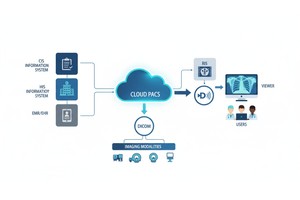
• Connects With Pacs (picture Archiving And Communication Systems) For Storage And Retrieval
• Provides Measurement Tools (e.g., Lesion Size, Density)
• Enables Collaboration Between Healthcare Professionals
By integrating predictive analytics, DICOM viewers evolve from being “passive display tools” into intelligent diagnostic assistants.
Predictive analytics doesn’t replace radiologists; it augments their expertise. Integration usually happens through:
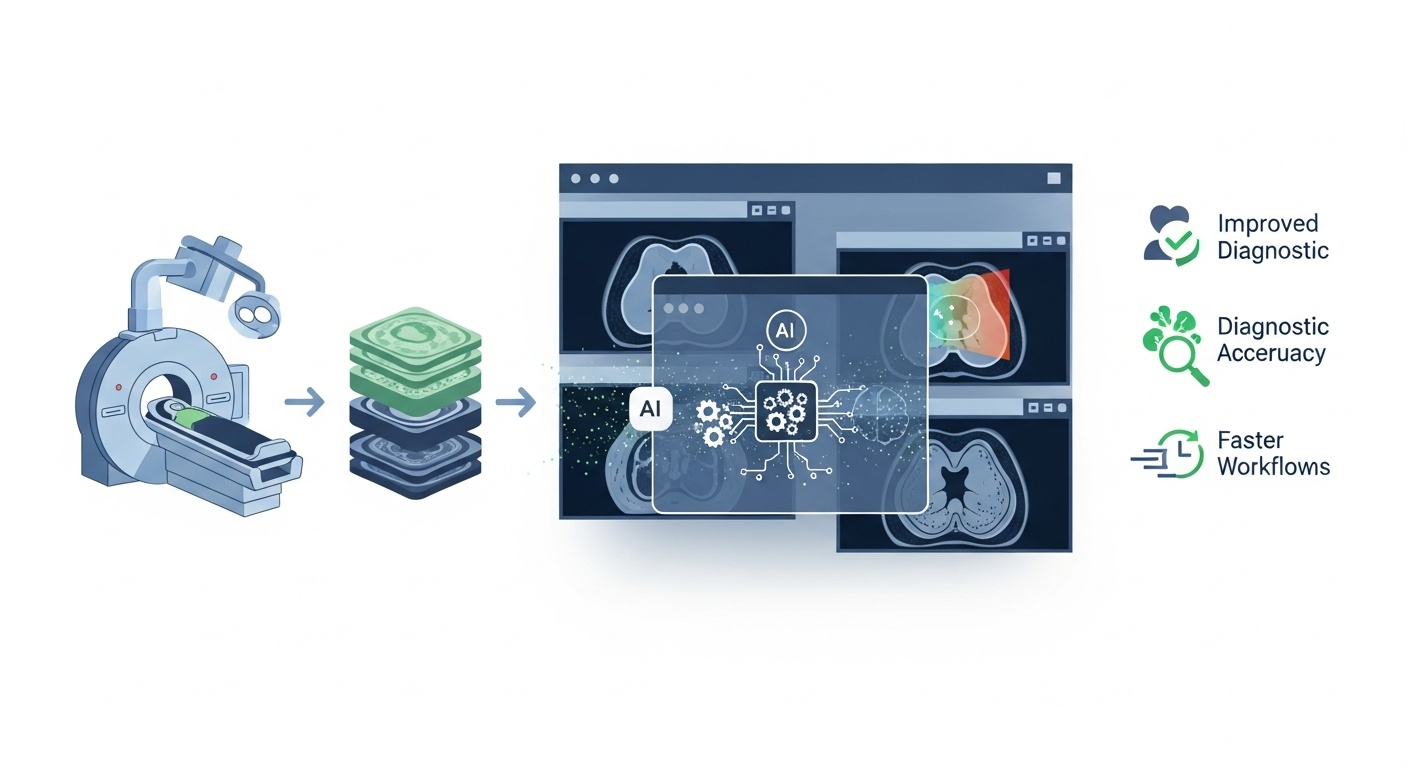
AI models trained on thousands (or millions) of annotated medical images are integrated into the DICOM viewer. When a new scan is uploaded, the model analyzes it in real time, flagging potential areas of concern.
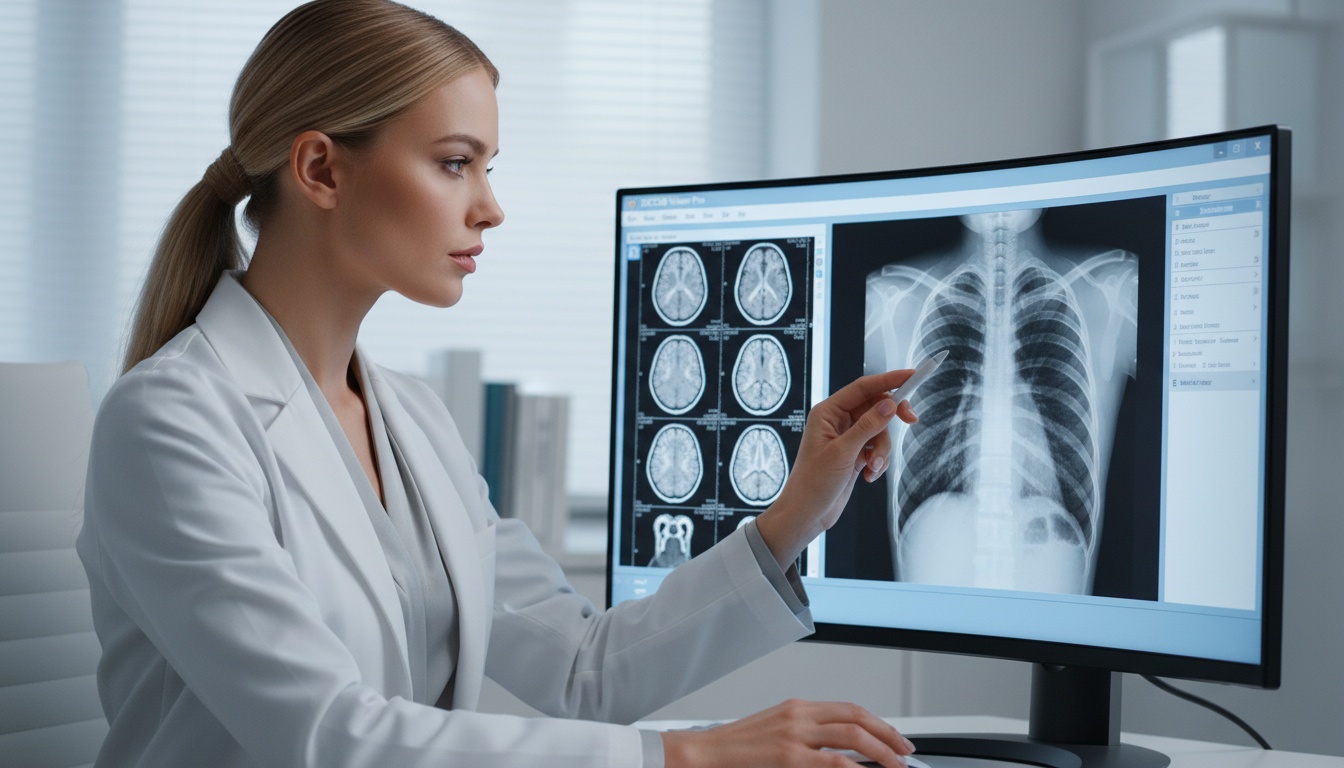
Example: In chest X-rays, predictive analytics algorithms can highlight areas that may indicate early signs of pneumonia or lung nodules.
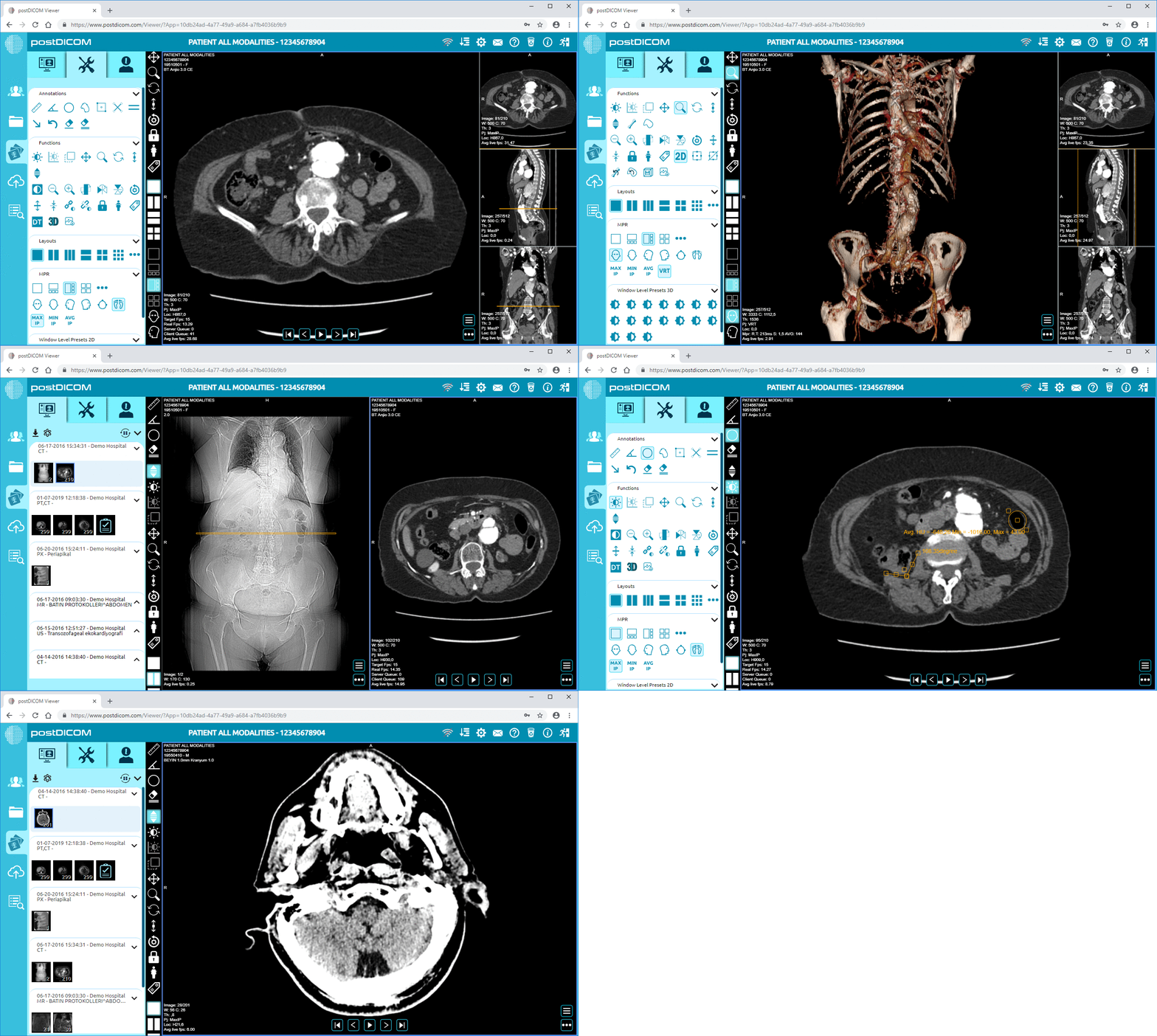
Modern DICOM viewers, especially cloud-based ones like PostDICOM, connect directly with external AI engines. The viewer sends imaging data securely to the cloud, where predictive models process it and return insights instantly.
This allows facilities to access powerful analytics without investing in expensive local servers.
Some DICOM viewers now feature dashboards that not only show the image but also present predictive metrics:
• Probability Of Disease Presence
• Forecasted Progression Timeline
• Suggested Follow-up Imaging Schedule
Integration isn’t just about analysis; it’s also about efficiency. Predictive analytics can prioritize urgent cases, automatically schedule follow-ups, and even draft preliminary findings to save radiologists’ time.
Predictive models can detect subtle changes in tissue before they become symptomatic. For example:
• Ai-enhanced Dicom Viewers Can Identify Micro-calcifications In Mammograms That May Indicate Early Breast Cancer.
• They Can Detect Tiny Lung Nodules In Ct Scans Long Before They Grow Large Enough To Be Obvious.
Predictive analytics doesn’t just identify disease; it estimates how it will evolve. For cancer patients, DICOM viewers can:
• Predict Tumor Growth Rates
• Estimate The Likelihood Of Metastasis
• Suggest Whether Aggressive Treatment Or Monitoring Is More Appropriate
By combining imaging data with patient history, predictive analytics can classify patients into risk groups. A patient with a family history of cardiovascular disease and early arterial narrowing in scans may be flagged as high-risk, prompting preventive measures.
Fatigue, workload, and human bias can contribute to misdiagnosis. Predictive analytics acts as a “second set of eyes,” reducing oversight. Research shows that AI-assisted image review can reduce false negatives by up to 20% in certain radiology cases.
Predictive analytics isn’t limited to diagnostics. It can forecast equipment usage and patient demand, helping hospitals schedule resources effectively and reduce waiting times.
1. Enhanced Diagnostic Accuracyradiologists Supported By Ai Models Are Less Likely To Miss Critical Findings. Predictive Analytics Improves Confidence And Reduces Variability Between Readers.
2. Faster Decision-makingreal-time Predictions Mean Patients Receive Answers Sooner, Which Is Vital In Emergencies Such As Strokes Or Heart Attacks.
3. Personalized Patient Careevery Patient’s Case Is Unique. Predictive Analytics Tailors Treatment Recommendations Based On Individual Imaging Patterns And Medical Histories.
4. Improved Collaborationwith Predictive Insights Integrated Into The Dicom Viewer, Referring Physicians, Surgeons, And Oncologists All Have Access To The Same Advanced Data, Enabling Coordinated Care.
5. Cost Savingsby Reducing Unnecessary Repeat Imaging, Avoiding Misdiagnoses, And Optimizing Equipment Scheduling, Predictive Analytics Saves Both Hospitals And Patients Money.
While the benefits are enormous, the path isn’t without hurdles:
• Data Quality: Predictive models are only as good as the datasets they’re trained on. Poor or biased data can reduce accuracy.
• Regulatory Compliance: Healthcare data is sensitive. Integrations must comply with HIPAA, GDPR, and local regulations.
• Trust And Adoption: Some radiologists remain skeptical about relying on AI, preferring to manually validate findings.
• Infrastructure Costs: Advanced models require strong computing power, though cloud-based viewers like PostDICOM help mitigate this barrier.
 - Created by PostDICOM.jpg)
The integration of predictive analytics into DICOM viewers is still evolving, but the trajectory is clear: these tools are becoming central to modern radiology. Future advancements may include:
• Ai-powered 3d Visualization: Predicting outcomes using volumetric imaging rather than flat slices.
• Integration With Genomics: Combining genetic data with imaging for deeper predictive insights.
• Fully Automated Reporting: Generating draft reports with predictive metrics included, ready for radiologist review.
• Global Collaboration: Cloud-based predictive platforms allow experts from different continents to analyze the same scan simultaneously.
In short, DICOM viewers are transforming from static tools into intelligent clinical decision-support systems.
Among the growing number of imaging platforms, PostDICOM stands out as a next-generation, cloud-based DICOM viewer with predictive analytics capabilities.
With PostDICOM, you get:
• Cloud Integration: Secure, global access to imaging data and predictive analytics
• Ai-enhanced Workflows: Faster reporting, prioritization of urgent cases, and predictive dashboards
• Compliance & Security: HIPAA and GDPR-ready with encryption and audit trails
• Scalability: Suitable for small clinics, large hospitals, and research institutions
Want to experience the future of radiology? With PostDICOM’s free trial, you can explore how predictive analytics and cloud-based DICOM viewing can transform your workflow.
Sign up today and see how PostDICOM empowers you with faster, smarter, and more accurate imaging solutions.
Predictive analytics is reshaping the role of DICOM viewers in healthcare. By embedding machine learning models, offering real-time predictive dashboards, and streamlining workflows, DICOM viewers are no longer passive tools but active diagnostic partners.
This integration enhances accuracy, speeds up care, and personalizes treatment, benefiting patients, radiologists, and healthcare systems alike. With platforms like PostDICOM, these advanced tools are now more accessible than ever.
The future of imaging is not just about capturing pictures; it’s about predicting possibilities.
|
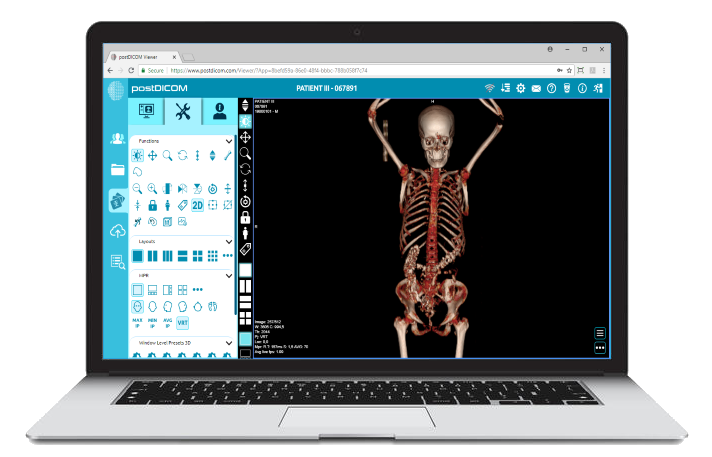
Cloud PACS and Online DICOM ViewerUpload DICOM images and clinical documents to PostDICOM servers. Store, view, collaborate, and share your medical imaging files. |