Radiology is often referred to as the “eyes” of medicine. From diagnosing fractures and infections to tracking cancer treatment progress, imaging is essential to modern healthcare. Yet, despite being so vital, many radiology departments still rely on separate, disconnected systems to manage their workflows.
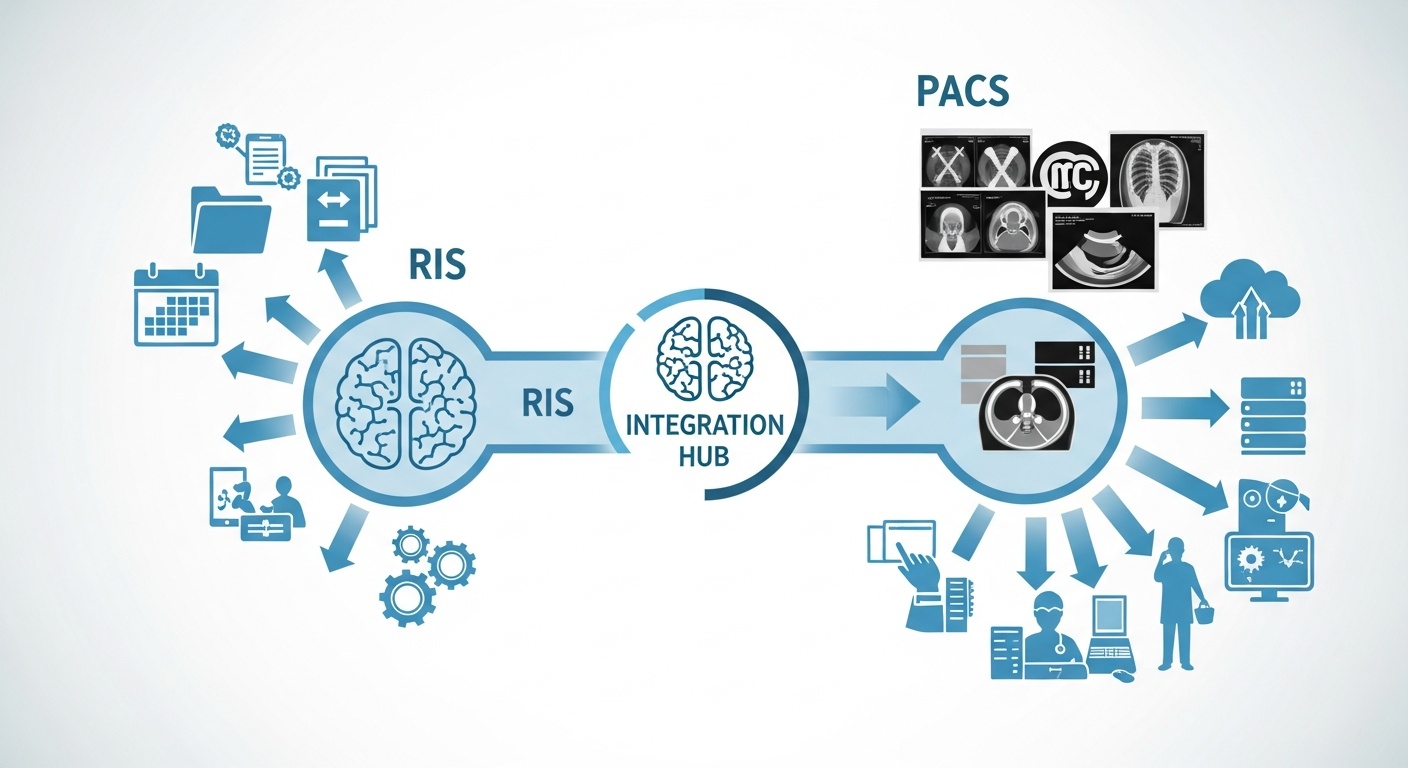
Two of the most important tools in radiology are the Radiology Information System (RIS), which handles scheduling, patient data, and workflow management, and the Picture Archiving and Communication System (PACS), which stores and distributes medical images. While both are powerful individually, they become truly transformative when combined into an integrated RIS/PACS system.
This integration doesn’t just save time, it reshapes the way healthcare providers work, communicate, and care for patients. Here are nine compelling reasons why adopting an integrated RIS/PACS system is one of the smartest moves your practice or hospital can make.
A smooth workflow is critical in radiology, where delays can have serious consequences for patients. In traditional setups, RIS and PACS function separately. This means a radiologist may need to enter patient details into RIS, then manually retrieve the same data in PACS. Not only is this inefficient, but it also creates opportunities for errors.
With integration, all information flows automatically. When a referring physician orders a CT scan, the details are instantly available in PACS along with the imaging schedule. Reports generated in RIS are immediately linked with the correct images in PACS. This eliminates double entry and ensures everyone is working with the same set of data.
For example, a hospital in the U.S. that adopted an integrated RIS/PACS system reported a 30% reduction in average patient processing time, enabling it to see more patients each day without adding staff.
Medical errors are often traced back to miscommunication and inconsistent data. Something as simple as a mistyped patient ID can cause major confusion when systems are not connected. Imagine a scenario where a patient’s MRI scan is uploaded to PACS under the wrong name because the RIS and PACS weren’t sharing identifiers. This could lead to delays or, worse, incorrect treatment.
An integrated system ensures that patient records are automatically linked with the correct imaging data. Any update in RIS (like a name correction, new order, or updated insurance information) is reflected instantly in PACS. This synchronization minimizes errors and establishes a foundation of trust in the data used to inform clinical decisions.
Accuracy isn’t just about avoiding mistakes; it’s about building confidence in the system so radiologists can focus on interpreting scans rather than double-checking paperwork.
At the end of the day, the purpose of RIS/PACS integration isn’t just to make life easier for doctors; it’s to provide better care for patients. When all information is in one place, physicians can see a complete picture of the patient’s history, imaging results, and prior diagnoses.
Consider a patient who visits the ER with chest pain. With an integrated system, the radiologist can immediately view not only the current chest X-ray but also past CT scans and lab reports. This enables faster and more accurate diagnosis, potentially saving the patient’s life.
Integrated systems also improve the patient experience. They reduce waiting times, eliminate repetitive questions, and ensure patients don’t undergo unnecessary duplicate tests because prior images were misplaced or unavailable.
Radiology departments are often overwhelmed, dealing with large volumes of imaging requests daily. Many tasks, such as scheduling, assigning radiologists to cases, and sending results to referring doctors, are repetitive and time-consuming.
An integrated RIS/PACS system automates much of this administrative burden. For example:
• Automatic Notificationsalert Physicians When Results Are Ready.
• Smart Schedulingtools Balance Workloads Across Radiologists.
• Report Templatesspeed Up Documentation Without Sacrificing Detail.
According to research, radiology teams that adopted integrated systems experienced a 25% increase in productivity, enabling them to handle more patients and deliver results more quickly. That’s not just better for the hospital’s efficiency; it directly benefits patients waiting anxiously for answers.
Healthcare budgets are always under pressure, and IT costs can quickly add up. Running two separate systems (RIS and PACS) means incurring double licensing fees, double maintenance, and often requiring double the IT staff to keep them operational.
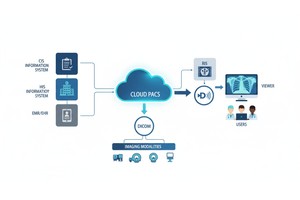
An integrated solution significantly reduces these expenses. Instead of maintaining two infrastructures, everything is consolidated into one. Cloud-based integrated systems like PostDICOM take savings even further by eliminating the need for costly on-site servers and storage hardware.
These systems also reduce “hidden costs” like staff time spent troubleshooting or correcting errors caused by disconnected platforms. Over time, the return on investment is substantial, especially for smaller clinics or mid-sized hospitals that can’t afford inefficiencies.
Modern healthcare is a team effort. Radiologists, oncologists, cardiologists, and primary care physicians frequently collaborate to interpret imaging results and develop treatment plans. But collaboration is hard if different professionals don’t have equal access to the same information.
Integrated RIS/PACS systems address this issue by establishing a single source of truth. Radiologists can upload their findings, and within minutes, other physicians can review the scans and reports, even from different departments or locations.
For example, a cancer patient’s PET scan can be uploaded, reviewed by the radiologist, and simultaneously accessed by the oncologist and surgeon. Instead of waiting days for results to be emailed or couriered, the entire team can make decisions within hours. This speed and clarity directly improve patient outcomes.
 - Created by PostDICOM.jpg)
The future of healthcare is not limited to hospital walls. Remote consultations, second opinions, and telemedicine all require secure and flexible access to imaging data.
Cloud-based RIS/PACS systems provide just that. Radiologists can log in securely from home, review scans, and issue reports in real time. This is invaluable for smaller clinics that rely on part-time or off-site radiologists.
During the COVID-19 pandemic, facilities with integrated, cloud-enabled systems were able to continue delivering care without disruption. Remote access also supports rural hospitals, where specialists may not be available on-site but can provide their expertise remotely.
Data privacy and security are non-negotiable in healthcare. Regulations such as HIPAA (U.S.) and GDPR (Europe), as well as local equivalents, require strict safeguards for patient data. Standalone systems often struggle to keep up with these evolving requirements because each must be secured separately.
Integrated RIS/PACS systems simplify compliance by providing built-in security features:
• Encrypted Data Transmission
• Role-based Access Controls
• Detailed Audit Trails
• Regular Security Updates
This not only protects patient information but also shields healthcare providers from costly fines and reputational damage. With cyberattacks on healthcare organizations rising globally, regulatory compliance is no longer optional; it’s a shield against very real risks.
Healthcare is constantly evolving, and so are the imaging technologies used within it. Ten years ago, 3D imaging and AI-driven analysis were rare. Today, they are increasingly common. Hospitals need systems that can grow with them, not ones that become outdated every few years.
Integrated RIS/PACS solutions are designed with scalability in mind. They can handle increasing volumes of data, support new imaging modalities, and integrate with AI tools for advanced diagnostics.
For example, a small clinic may start with basic X-rays but expand into MRI and CT as demand grows. With an integrated system, this transition is smooth and cost-effective, eliminating the need to rebuild the entire IT infrastructure.
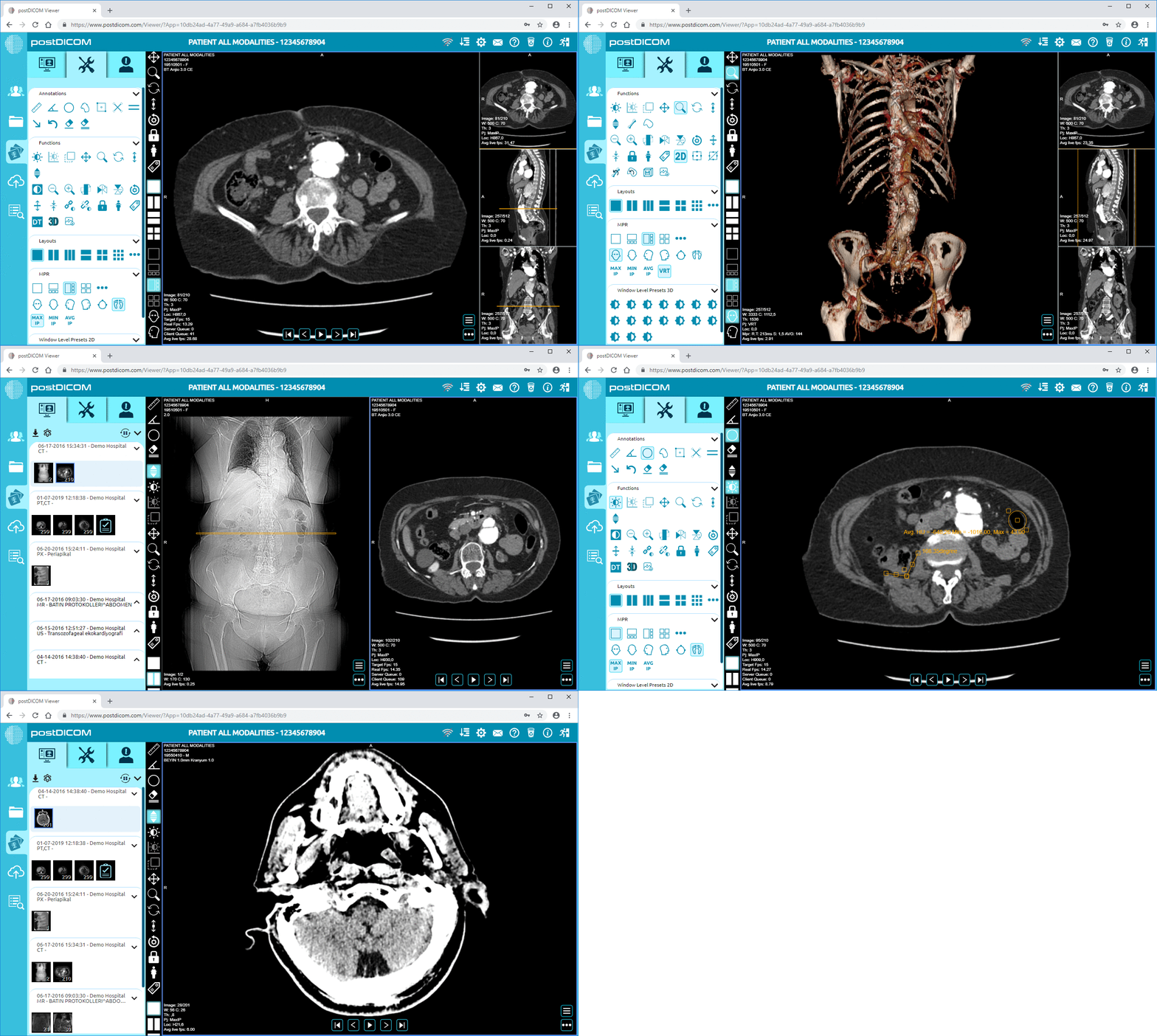
Among the many integrated RIS/PACS solutions available, PostDICOM stands out for its cloud-first approach, user-friendly design, and robust security features. With PostDICOM, healthcare providers get:
• Secure, Cloud-based Image Storage And Access
• Remote Login Capabilities For Telemedicine And Second Opinions
• Regulatory Compliance (hipaa, Gdpr) Built Into The Platform
• Automated Workflows That Save Time And Reduce Errors
• Scalability To Grow With Your Practice
Choosing the right RIS/PACS system can transform your radiology department. PostDICOM makes it easy to experience the benefits without commitment.
Sign up for a free trial today and see how PostDICOM can streamline your workflow, improve patient care, and prepare your practice for the future of healthcare.
The integration of RIS and PACS is more than just a technology upgrade; it’s a shift toward more innovative, safer, and more efficient healthcare. From improving accuracy and collaboration to cutting costs and enhancing patient care, the benefits are undeniable.
As healthcare continues to undergo digital transformation, facilities that invest in integrated RIS/PACS systems will be better equipped to meet the increasing demands of patients, adopt new technologies, and deliver the level of care patients deserve.
With solutions like PostDICOM leading the way, the future of radiology is not just about images, it’s about integration, intelligence, and impact.
|
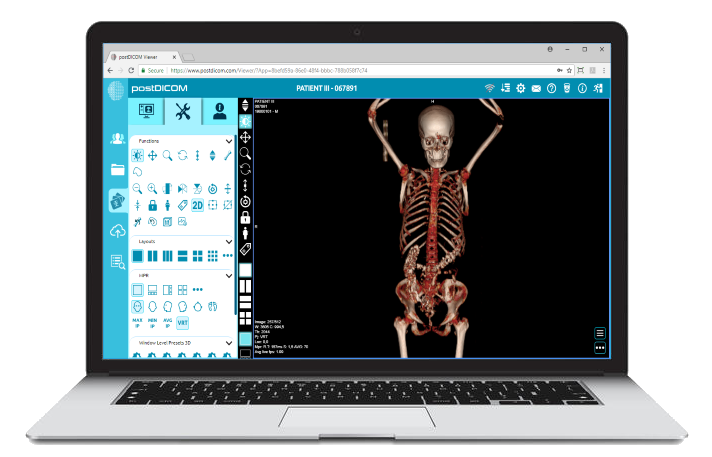
Cloud PACS and Online DICOM ViewerUpload DICOM images and clinical documents to PostDICOM servers. Store, view, collaborate, and share your medical imaging files. |