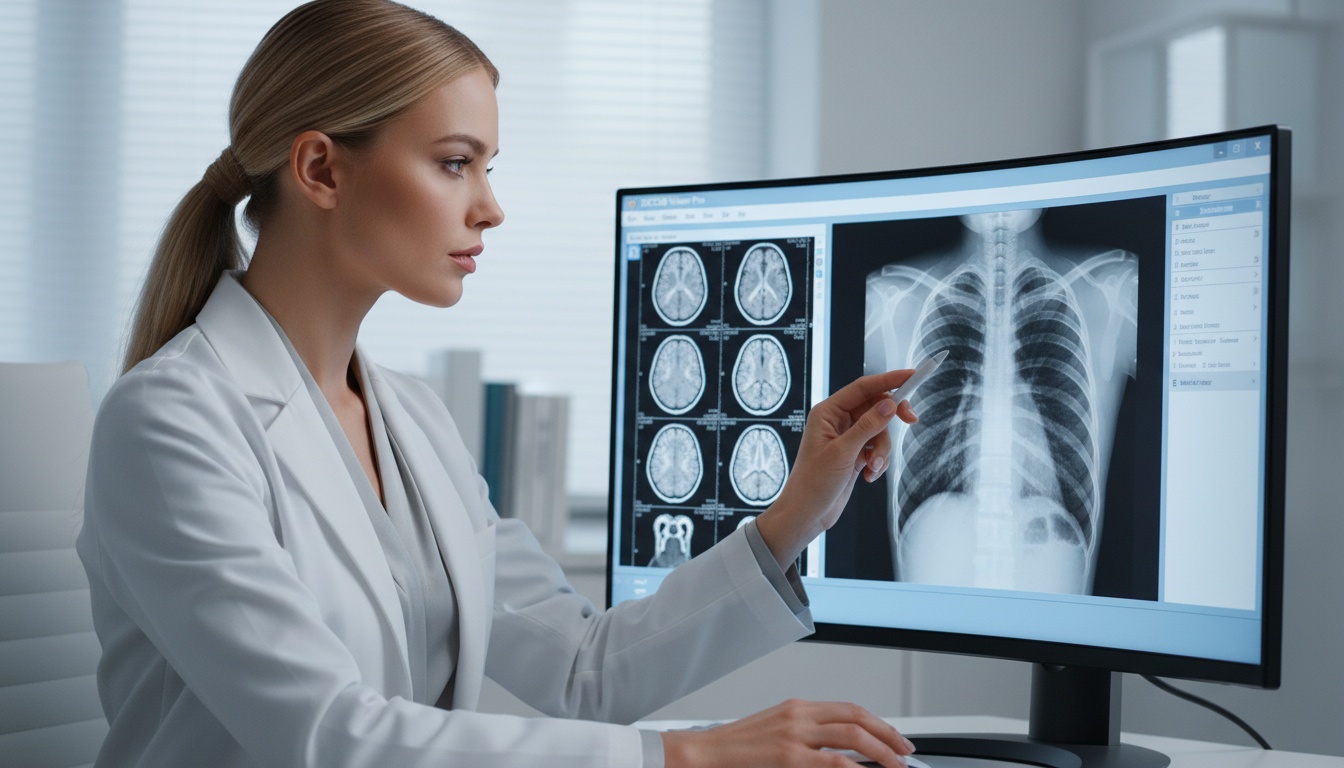
In modern healthcare, every minute counts. Doctors need quick access to medical images such as X-rays, MRIs, and CT scans to make timely decisions. Traditional imaging systems can be slow, siloed, and difficult to access across hospitals or even different departments.
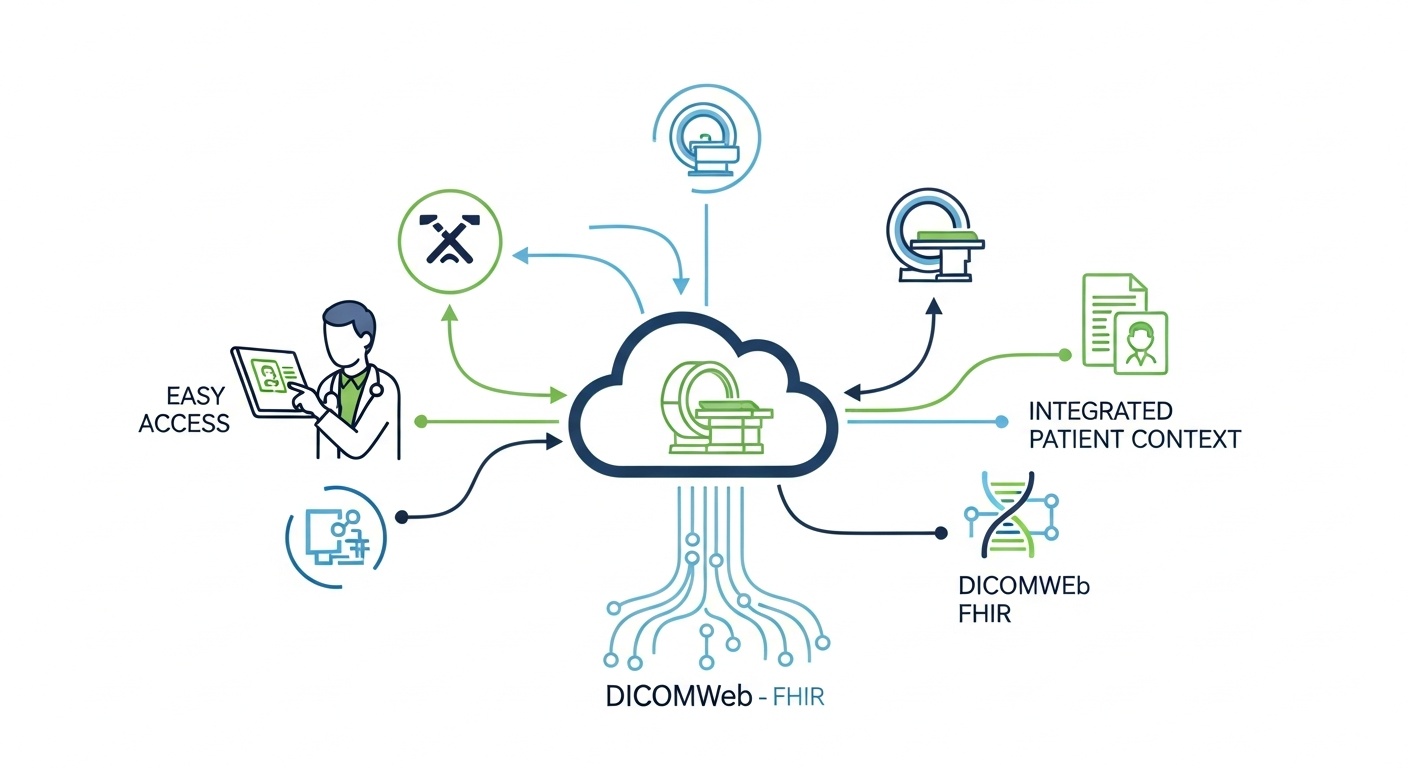
This is where PostDICOM shines, leveraging DICOMweb and FHIR to streamline medical image management. With PostDICOM, hospitals and clinics can ensure that doctors access the right images at the right time, with patient context fully integrated.
Most hospitals store medical images in a PACS (Picture Archiving and Communication System) using the DICOM standard. While PACS has been reliable, it was not originally designed for web-based or cloud workflows. Accessing images often requires vendor-specific software, manual transfers, or physical media like CDs, which can delay critical decision-making.
A doctor reviewing an MRI from another hospital might previously have waited hours or even days for the images to arrive. PostDICOM eliminates these delays by integrating DICOMweb for web-based image retrieval and FHIR for structured patient and study information.
DICOMweb enables PostDICOM to store, retrieve, and share medical images using modern web protocols like HTTP and REST APIs. This allows images to be accessed quickly from laptops, tablets, or even smartphones without installing specialized software.
FHIR organizes patient records, imaging orders, reports, and related clinical information in a standardized way. In PostDICOM, FHIR links imaging studies with patient information and clinical notes, creating a full-context workflow that reduces errors and improves efficiency.
Together, DICOMweb and FHIR ensure that images are not only accessible but are meaningful, properly labeled, and tied to the patient’s clinical context. You can read more about integrating DICOMweb and FHIR in imaging workflows in this research paper.
PostDICOM uses DICOMweb and FHIR to simplify the imaging process:
1. Doctors Query Postdicom’s Fhir-enabled Server To Find All Imaging Studies For A Patient.
2. The System Returns A Comprehensive List Of Studies With Links To The Corresponding Images Stored Via Dicomweb.
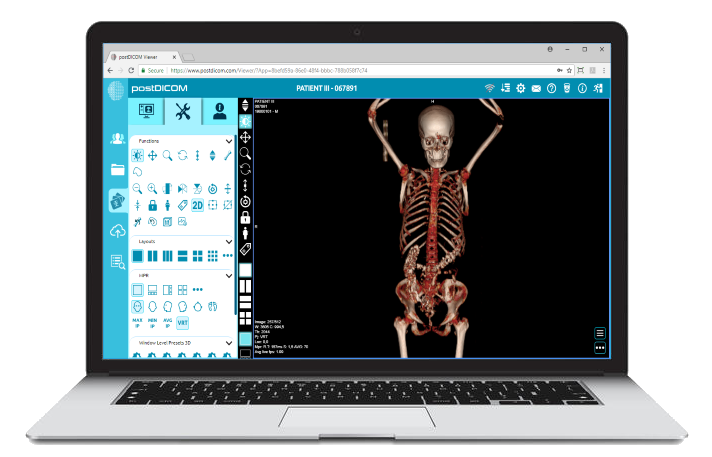
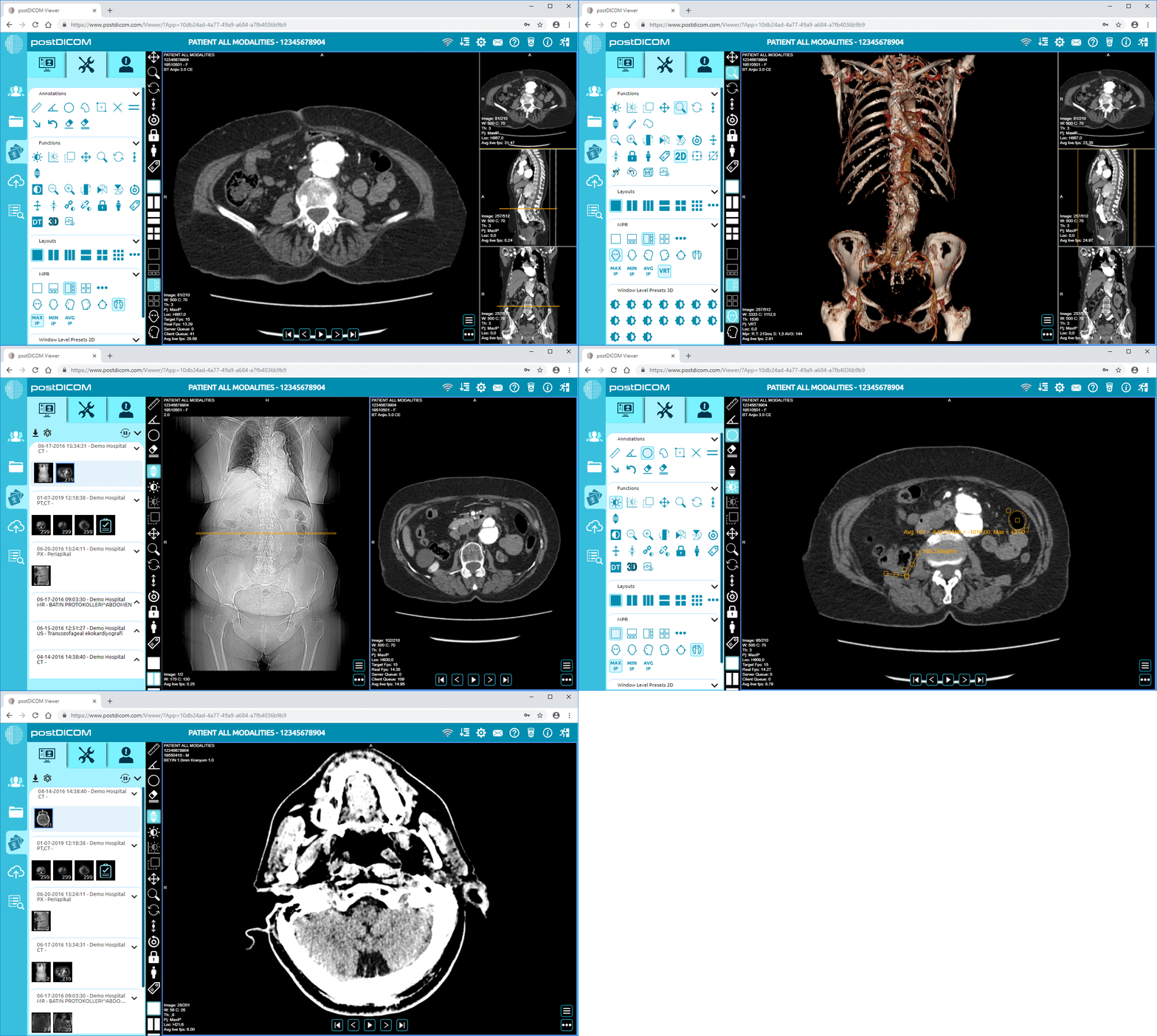
3. Doctors Can View Images Directly In The Postdicom Web Viewer, Annotate Them, Or Compare Multiple Studies, Even From Different Hospitals.
This process reduces access times from hours to minutes, streamlines reporting, and supports faster, more accurate clinical decisions. For a practical example of cloud-based DICOM workflows, see this case study.
PostDICOM offers clear advantages for healthcare providers:
• Faster Discovery And Retrieval: Doctors can quickly locate the right studies and load images instantly.
• Remote Access: Clinicians can view images securely from any device, supporting telemedicine and on-call consultations.
• Integrated Context: Patient information, imaging orders, and prior reports are all available alongside the images, reducing errors.
• Cloud Scalability: Hospitals can store large volumes of images and share them across multiple sites efficiently.
For example, a neurologist reviewing a transferred patient’s MRI can instantly access the study, annotate findings, compare with a new CT scan, and update the patient’s report, all within PostDICOM.
 - Created by PostDICOM.jpg)
While PostDICOM makes image access faster, some considerations remain:
• Legacy Pacs Integration: Older hospital systems may require gateways to fully support DICOMweb.
• Network Bandwidth: High-resolution studies require stable internet for smooth streaming.
• Data Security: Encryption, access control, and audit logs are crucial to protect patient privacy.
• Metadata Quality: Accurate patient identifiers and study information are essential for proper workflow.
These issues are actively addressed in standards discussions such as the DICOM Working Group 20.
By combining cloud storage, DICOMweb, and FHIR, PostDICOM enables advanced healthcare solutions:
• Ai And Analytics: Large datasets can be processed for AI-assisted diagnosis and research.
• Multi-site Collaboration: Doctors from different hospitals can review studies seamlessly.
• Mobile And Web Viewers: Clinicians can access imaging studies on any device with a browser.
• Structured And Semantic Data: Rich metadata improves reporting, research, and decision support.
Hospitals adopting PostDICOM are building smarter, more connected imaging systems that not only speed up access but also improve overall patient care.
Faster access to medical images is critical for timely, accurate care. PostDICOM leverages DICOMweb and FHIR to provide doctors with instant access to studies, integrated patient context, and powerful web-based tools for viewing and reporting.
By adopting these modern standards, healthcare providers can reduce delays, improve accuracy, and enhance collaboration, ensuring that the right image reaches the right clinician at the right time.
To learn more about DICOM and FHIR in modern imaging, explore DICOM standards and see practical examples of FHIR and DICOMweb integration.
To explore how PostDICOM can transform your imaging workflows, contact us or start a free trial.
|
Cloud PACS and Online DICOM ViewerUpload DICOM images and clinical documents to PostDICOM servers. Store, view, collaborate, and share your medical imaging files. |