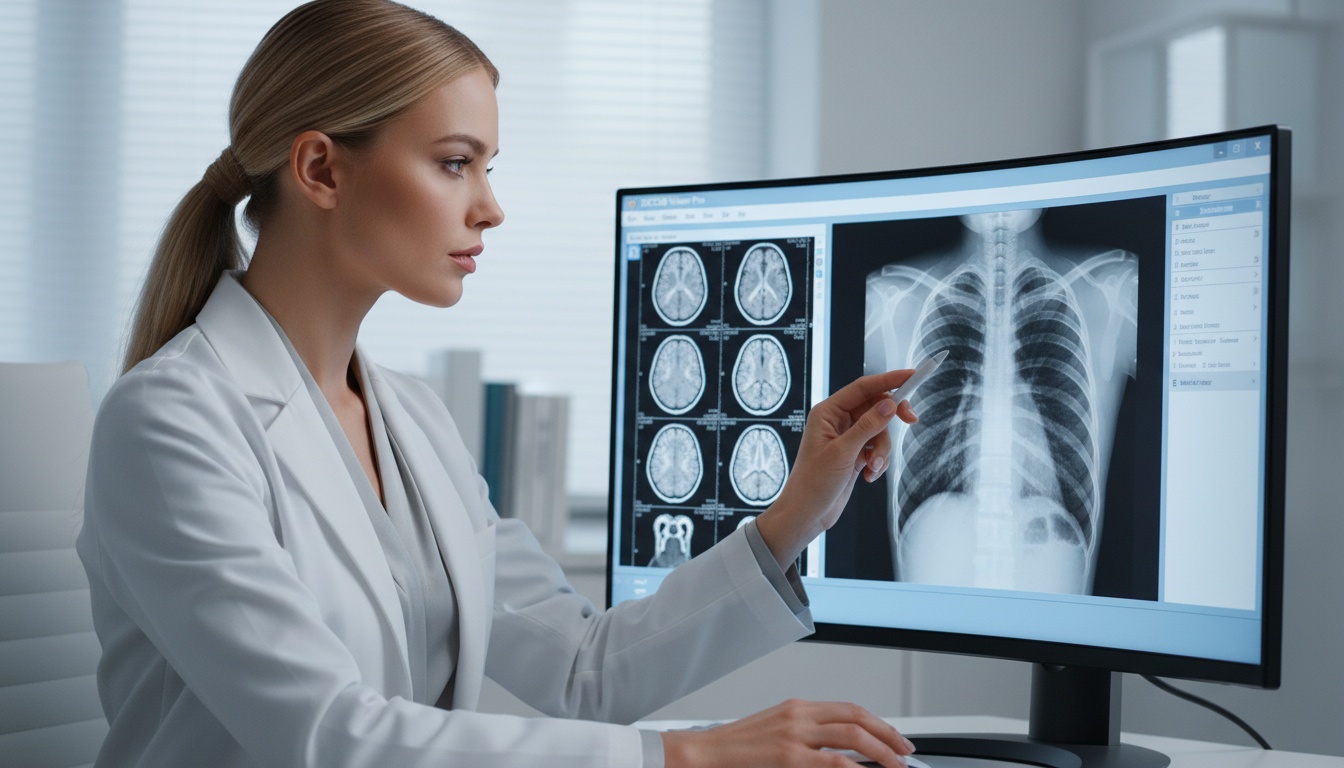
Radiology is a field that has always used a lot of technology. It started with the discovery of X-rays a time ago and then moved on to things like computed tomography and magnetic resonance imaging. Today we have advanced ultrasound technologies. All of these things have gotten better because computers and digital data processing have gotten better.
Now we have something that is changing the field of radiology. This thing is called intelligence. Artificial intelligence is becoming a part of radiology. It uses something called machine learning to look at images and find things that are not easy to see. Artificial intelligence can help doctors find problems in images that they might not see on their own.
The reason artificial intelligence is so helpful is that there are a lot of images to look at. The healthcare system needs to make diagnoses faster. Artificial intelligence helps radiologists do their jobs and still make sure they are correct. Radiology and artificial intelligence are working together to make things better. Artificial intelligence is helping radiologists with their work. This is a good thing, for radiology.
The integration of AI into the radiology workflow in modern medical imaging infrastructure is not a straightforward task of adding a new software tool to existing systems. Instead it is part of a larger shift in the way that imaging data is processed, analyzed and interpreted. When combined with the modern imaging infrastructure, such as proved platform (PACS) platforms, DICOM standards and cloud-based storage systems, AI allows healthcare organizations to derive valuable insights from medical images at a scale that was previously impossible.
To really get how Artificial Intelligence is changing radiology we need to look at the technology, behind Artificial Intelligence and how it is used in places where doctors take pictures of the inside of the body.
Artificial Intelligence is helping doctors find diseases early and making the pictures they take of the inside of the body better. This is slowly changing how doctors use these pictures to take care of patients and Artificial Intelligence is doing this in ways.
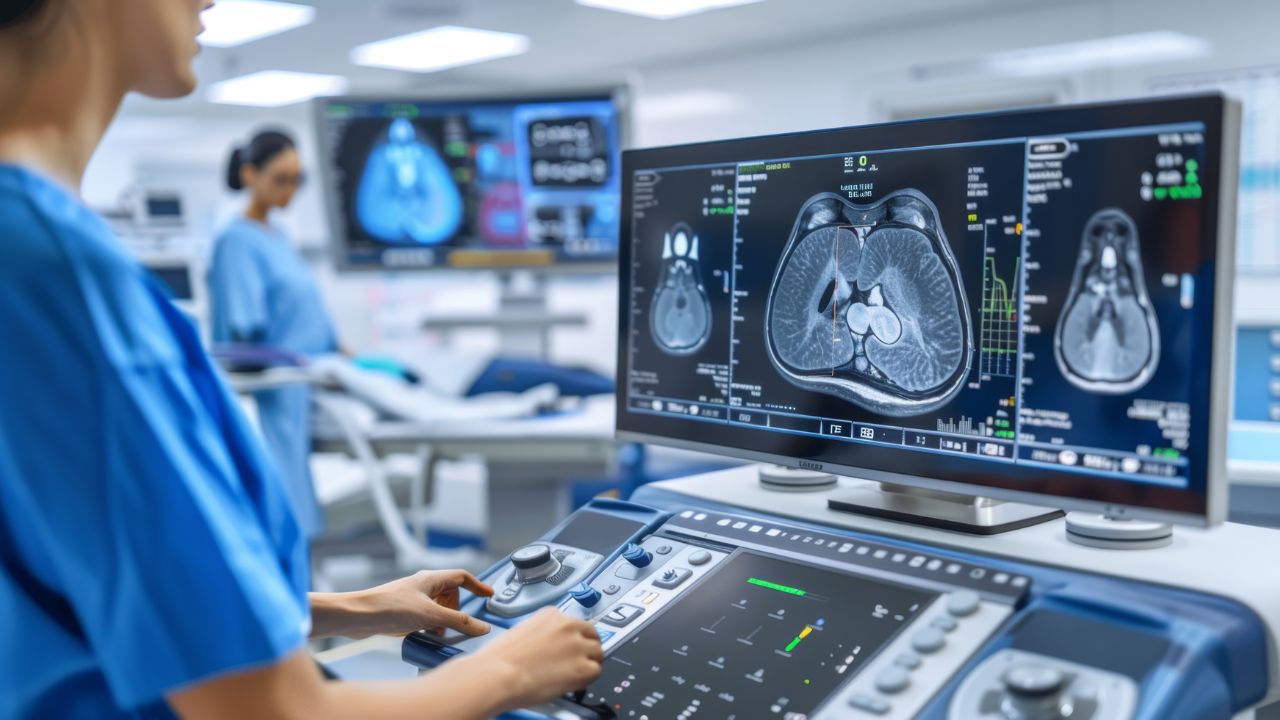
Artificial intelligence is making an impact in radiology. It helps doctors diagnose problems better and faster. AI also helps make decisions about patient care. AI is not meant to replace radiologists. Instead it is like a tool that helps them understand images more easily. When combined with imaging systems like PACS, cloud storage and DICOM standards AI helps hospitals analyze many medical images. This improves care and hospital operations.
The idea of using computers to help with image interpretation is not new. People were working on this idea back in the 1960s and 1970s. At that time researchers were trying to find ways to use computers to help identify problems, in images. They were using computers to look for patterns that are associated with medical image interpretation and diseases. Medical image interpretation is an area where computers can be very helpful. These early computer systems were using rules to try to figure out what was going on in medical images and medical image interpretation.
Although these early CAD systems showed promise, their impact on clinical practice was limited by the capabilities of the computers used in those days. Medical imaging data was complex, and early algorithms did not have the capacity to learn from large medical imaging data sets, or adjust to changes in imaging conditions. As a result, many of the early computer-assisted diagnostic systems gave inconsistent results, and they were often regarded as only tools that could be used in addition to standard diagnostic methods rather than as reliable diagnostic aids.
Despite having these limitations, early research into computer-assisted diagnosis paved the way for research into artificial intelligence for healthcare imaging more broadly. As computing power improved and digital imaging technologies became more widespread, researchers began exploring humane methods of more advanced automated image analysis.
The actual transformation in the field of AI-driven radiology started with the creation of machine learning and deep learning technologies. Unlike previous systems based on rules, machine learning algorithms have been able to learn the structure of patterns from real data instead of following previously defined instructions. This capability enables AI systems to analyze imaging datasets of massive volume and detect subtle patterns linked to a disease.
As an example, one area where the technology has been especially influential is in medical imaging, where deep learning, a specialized branch of machine learning that utilizes artificial neural networks, has been extensively applied. Convolutional neural networks, which are really good at looking at images can do some things when it comes to finding patterns in pictures. These models can look at thousands or even millions of images like pictures of the inside of our bodies and they can find things that are not normal such as tumors or broken bones and they get better and better at it.
The computers we have today are also a part of why we can use artificial intelligence to look at medical images. Special computer parts called graphics processing units or GPUs for short help the computer learn from sets of medical images really fast so we can teach the computer to find things in medical images right away and that is really helpful, for doctors and other people who need to look at these images.
Today, artificial intelligence is better integrated into the radiology workflow in hospitals and imaging centers around the world. AI tools are being used to help radiologists detect abnormalities, prioritize urgent cases, and increase the efficiency of the workflow. These systems can; for example, automatically analyze the imaging studies and highlight possible areas of concern, enabling clinicians to focus their minds on studies that need to be reviewed immediately.
The use of AI in radiology is also aided by the rapid growth of digital imaging infrastructure. Modern healthcare environments rely on systems, such as Picture Archiving and Communication Systems, or PACs, electronic health records, and cloud-based storage platforms, for managing large volumes of imaging data. These systems deliver the structured data sets that are necessary to effectively train and serve AI models.
As artificial intelligence technologies get better and better it is likely that their role in radiology will go beyond just looking at images. New uses for intelligence include predicting what is wrong with a patient automatically generating reports and helping doctors make decisions about patient care by looking at the patients overall health information.
Artificial intelligence in radiology uses a combination of computer strategies to look at complex visual data. Medical images like CT scans, MRI studies and X-rays have a lot of information that can help doctors diagnose patients. Artificial intelligence algorithms are designed to find patterns in this data that might be hard for humans to find. There are a basic artificial intelligence technologies that are used in most modern medical imaging systems.
Machine learning is the basis of artificial intelligence applications in radiology. In machine learning algorithms are trained on medical imaging data and the results of those images. By looking at thousands or millions of examples the system learns to recognize patterns that are associated with diseases or abnormalities.
Once trained machine learning models can look at images and estimate the likelihood that certain conditions are present. For example a machine learning algorithm may be trained to find lung nodules in chest CT scans or identify fractures in X-ray images. These models get better over time as more data becomes available.
Machine learning systems are particularly useful in radiology because imaging datasets are naturally structured and highly visual.
Deep learning has become an important form of artificial intelligence in medical imaging. Deep learning systems use neural networks that simulate how the human brain processes visual information. Convolutional neural networks are especially good at analyzing images.
These models can find abnormalities such as small tumors or minor bone fractures that may be hard to detect by looking at the images manually. By learning from datasets of annotated medical images convolutional neural networks can achieve very high diagnostic accuracy.
Deep learning models have shown a lot of potential in areas such as cancer detection and cardiovascular diagnostics. They are well suited for radiology because they can process complex visual information.
 - Presented by PostDICOM.jpg)
Computer vision technologies allow artificial intelligence systems to analyze data in ways that are similar to human perception. In imaging computer vision algorithms are used to find anatomical structures measure tissue characteristics and identify areas of interest within complex imaging datasets.
For example computer vision models can automatically outline organs within CT scans. Highlight areas that need to be reviewed by a radiologist. These capabilities help streamline image interpretation and make it more efficient.
Artificial intelligence technologies are being used in imaging platforms. This helps radiologists review images quickly and still be accurate. Artificial intelligence technologies like machine learning and deep learning are becoming very important in radiology. These artificial intelligence technologies help doctors diagnose patients accurately and quickly.
Radiology is not about looking at images. It also involves creating reports about what the doctors find. Natural language processing is a type of intelligence that is being used more and more to help with this. Natural language processing can look at reports. Find the important information. It can also help create reports. This helps make sure all the reports look the same and it makes it easier for doctors to talk to each other.
Artificial intelligence is changing how radiology works. Artificial intelligence looks at the images. Helps the radiologists find problems. It also helps them figure out which cases are the important. Artificial intelligence helps the radiologists be more accurate when they are diagnosing patients.
Artificial intelligence does not operate independently of existing medical imaging infrastructure. Instead artificial intelligence technologies are integrated into radiology workflows that involve imaging acquisition systems, storage platforms and clinical interpretation processes.
Artificial intelligence can help a lot by automating stages of the imaging pipeline. This can make things more efficient. Help doctors make better decisions. Artificial intelligence can support decision-making and improve efficiency.
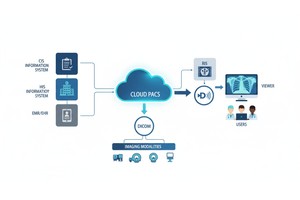
In a typical radiology workflow, medical images are first generated using diagnostic imaging modalities such as CT scanners, MRI systems, X-ray machines, or ultrasound devices. These images are stored in standardized formats, most commonly the DICOM (Digital Imaging and Communications in Medicine) standard, which allows imaging data to be transmitted and managed across healthcare systems.
Once acquired, imaging studies are transmitted to a Picture Archiving and Communication System (PACS), where they are securely stored and indexed for clinical access. AI algorithms can then analyze these images within the PACS environment or through integrated cloud-based imaging platforms.
The integration of artificial intelligence into radiology workflows can be understood by examining how imaging data moves through modern diagnostic systems. A simplified workflow illustrating AI integration in radiology may look like the following:
 - Presented by PostDICOM.jpg)
Within this workflow, AI systems can perform several functions. They may automatically screen incoming studies to detect potential abnormalities, prioritize urgent cases in the radiology worklist, or highlight regions of interest that require closer examination. These capabilities help radiologists manage increasing imaging volumes while maintaining high levels of diagnostic accuracy.
Rather than replacing human expertise, AI acts as an analytical support system that enhances the efficiency and effectiveness of radiology workflows.
Artificial intelligence technologies are being used in medical imaging areas. Each imaging type has its challenges and AI systems are being trained to understand different imaging data very accurately.
Chest X-rays are a diagnostic imaging test done worldwide. Because many chest X-rays are done and they follow a pattern they are good for medical imaging studies.
AI systems can find things like pneumonia, lung nodules, tuberculosis and other lung problems in chest X-rays. Automated systems can also prioritize cases so radiologists can look at them right away.
These capabilities are especially helpful in emergency rooms and busy hospitals where doctors need to make diagnoses.
Computed tomography and magnetic resonance imaging make images of the body. Doctors use these imaging tests to diagnose conditions, such as neurological disorders, cardiovascular diseases, cancers and musculoskeletal conditions.
AI systems can look at CT and MRI images to find things like tumors hemorrhages, vascular blockages or degenerative conditions. Because these imaging tests have images AI tools can help doctors review them faster.
Automated detection systems can help doctors see abnormal things that are hard to spot.
AI technologies are helping with breast cancer screening. Mammography images have patterns that need careful analysis and AI systems trained on many screening images have shown good effectiveness in finding suspicious lesions.
AI-aided mammography can reduce negatives and improve early detection rates of cancer. In some screening programs AI technologies serve as a reviewer offering additional diagnostic confirmation with human radiologists.
These tools can improve screening effectiveness. Help doctors find breast cancer earlier.
Artificial intelligence is becoming more important in imaging especially in finding strokes and other urgent conditions. Quick detection of stroke-related issues in CT or MRI scans can greatly improve outcomes by allowing quicker treatment choices.
AI systems can examine brain imaging studies to find hemorrhages, ischemic strokes and vascular irregularities. In emergency situations these systems can automatically notify doctors when imaging results suggest a stroke assisting medical teams in beginning treatment protocols more swiftly.
The capability to speed up diagnosis in scenarios showcases one of the most promising clinical uses of AI, in radiology.
Incorporating artificial intelligence into radiology could greatly enhance diagnostic precision and clinical effectiveness. With the global increase in medical imaging volumes, AI systems offer resources that assist radiologists in interpreting imaging studies faster while ensuring high levels of diagnostic accuracy.
A key clinical advantage of AI is improved early detection of diseases. Algorithms in machine learning can recognize intricate patterns in medical images that might be challenging for humans to see, especially in the initial phases of illness. AI systems developed using extensive imaging datasets have shown impressive abilities in recognizing early lung nodules, spotting breast cancer in mammograms, and detecting neurological anomalies in brain imaging research.
AI can aid in diminishing diagnostic inconsistencies. Interpretation of radiology can occasionally differ among clinicians because of variations in experience, workload, or tiredness. AI systems offer uniform analytical assistance by employing standardized algorithms on imaging datasets. AI tools assist radiologists in upholding consistent diagnostic quality across extensive datasets by emphasizing possible abnormalities and offering quantitative insights.
A significant benefit is the efficiency of workflows. Radiology departments often handle significant imaging workloads, particularly in major hospitals and emergency facilities. AI-driven triage systems can autonomously rank imaging studies according to the probability of important findings, guaranteeing that urgent cases are addressed without delay. This ability can greatly enhance patient care by minimizing delays in diagnosis and treatment.
Ultimately, AI technologies enhance clinical decision support. By integrating imaging analysis with patient information from electronic health records and other clinical systems, AI platforms can help clinicians interpret imaging findings within a wider clinical framework. This cohesive method aids in making better diagnostic choices and tailoring treatment plans.
While artificial intelligence presents considerable opportunities to enhance radiology workflows, effective implementation of AI systems necessitates strong imaging infrastructure. AI models depend on extensive datasets and robust computing environments to efficiently analyze medical images, rendering contemporary digital imaging platforms crucial for AI implementation.
A key element of AI-driven radiology is the presence of organized imaging datasets. Medical images are generally saved in accordance with the DICOM (Digital Imaging and Communications in Medicine) standard, which guarantees that imaging data can be shared, preserved, and retrieved across healthcare networks. Standardized DICOM datasets offer the organized image data necessary for training and implementing AI algorithms.
A crucial element is Picture Archiving and Communication Systems (PACS). PACS platforms act as the primary storage and management system for imaging studies in healthcare institutions. AI algorithms can be incorporated directly into PACS systems or linked via cloud-based platforms that evaluate imaging data during processing.
Cloud-based infrastructure is becoming more vital for facilitating AI in radiology. Cloud computing platforms offer scalable storage and processing resources that enable healthcare organizations to handle extensive imaging datasets and execute intricate AI algorithms effectively. Cloud-based PACS systems enhance teamwork among radiologists, specialists, and healthcare organizations by allowing secure remote access to imaging studies.
Ultimately, AI systems frequently need high-performance computing resources, especially graphics processing units (GPUs), for training and implementing deep learning models. These computational resources enable AI algorithms to swiftly handle extensive amounts of medical imaging data, facilitating real-time or almost real-time analysis in clinical settings.
Combined, these infrastructure elements form the technological groundwork that allows artificial intelligence to operate efficiently in contemporary radiology systems.
Although the potential of artificial intelligence for medical imaging datasets is promising, various challenges need to be addressed to ensure responsible and effective use. Healthcare organizations need to take into account technical constraints and ethical issues when incorporating AI into clinical processes.
A commonly debated issue pertains to bias in algorithms. AI systems acquire knowledge from historical datasets, and if such datasets lack representation of varied patient populations, the resulting algorithms may yield inconsistent performance among different demographic groups. Training AI models on varied and representative imaging datasets is crucial for achieving fair healthcare results.
A different challenge pertains to clinical validation and regulatory endorsement. Medical AI systems need to go through thorough testing and validation before being used in clinical settings. Regulatory bodies like the U.S. Food and Drug Administration (FDA) and various global health organizations assess AI-driven diagnostic tools to verify their compliance with safety and performance criteria.
Clarity and comprehensibility continue to be significant factors. Numerous deep learning models operate as intricate “black box” systems, complicating the process of comprehending how specific diagnostic predictions are produced. In clinical environments, radiologists need to interpret AI-produced insights and confirm their correctness prior to making medical decisions.
One of the most crucial ethical principles is that AI ought to assist rather than substitute clinical expertise. Radiologists are essential in analyzing imaging results, considering clinical context, and conveying findings to medical teams. AI technologies are most effective when they serve as decision-support tools that augment human expertise instead of seeking to replace it.
 - Presented by PostDICOM.jpg)
Artificial intelligence is in the initial phases of being implemented in healthcare, yet its possible effects on radiology are significant. With the advancement of AI technologies, they are anticipated to have a growing significance in diagnostic imaging, clinical decision support, and personalized medicine.
A key aspect of upcoming advancements includes predictive diagnostics. Through the examination of extensive imaging datasets along with patient health records, AI systems could potentially forecast disease risk prior to the onset of symptoms. This ability may allow for earlier intervention and more proactive management of healthcare.
AI could also facilitate immediate analysis of images. Improvements in computing capabilities may enable AI systems to evaluate imaging data in real-time during the scanning, offering instant insights that support clinicians in diagnostic tasks.
Another encouraging advancement includes integrated clinical intelligence systems. Upcoming healthcare platforms might integrate imaging data, lab results, genomic details, and patient records into cohesive analytical settings. AI technologies can examine these intricate datasets to produce detailed clinical insights that inform treatment choices.
With the ongoing integration of digital technologies in global healthcare systems, artificial intelligence is anticipated to play a crucial role in the radiology landscape. The partnership among radiologists, data scientists, and healthcare technologists will be vital in determining how these technologies enhance patient care.
Artificial intelligence is transforming the field of modern radiology workflow. Through the activation of sophisticated image analysis, enhancement of workflow efficiency, and assistance in clinical decision-making, AI technologies are aiding healthcare providers in handling increasing imaging volumes while upholding high diagnostic standards.
Instead of substituting radiologists, AI serves as a robust analytical resource that bolsters human skill. By incorporating imaging infrastructure like PACS platforms, DICOM standards, and cloud storage systems, AI allows healthcare organizations to derive richer insights from medical imaging data.
With the ongoing rapid progress in research and technology, artificial intelligence is anticipated to assume a more significant role in the future of diagnostic imaging. By merging human knowledge with sophisticated computational analysis, AI can enhance both the quality and availability of healthcare globally.
Artificial intelligence aims to assist radiologists instead of supplanting them. AI algorithms can examine imaging data and detect possible irregularities, yet human specialists remain crucial for interpreting findings, taking clinical context into account, and finalizing diagnostic choices.
Numerous AI models have shown remarkable precision in identifying particular conditions like lung nodules, breast cancer, and neurological disorders. Nonetheless, AI systems are generally employed as diagnostic assistance tools instead of independent diagnostic systems, and their outcomes must consistently be evaluated by qualified healthcare professionals.
AI technologies are presently utilized in various imaging modalities, such as X-ray, CT, MRI, ultrasound, and mammography. Imaging techniques with high volumes, like chest X-rays and CT scans, are especially suitable for analysis assisted by AI.
AI tools are generally incorporated into radiology processes via PACS platforms or cloud-based imaging systems. Imaging studies saved in PACS can be examined by AI algorithms that identify anomalies, prioritize critical cases, or emphasize areas of interest for radiologists.
AI systems need organized imaging datasets, usually kept in DICOM format, as well as imaging management systems like PACS. Numerous AI solutions depend on cloud storage, powerful computing resources, and connection with hospital information systems.
With the advancement of artificial intelligence technologies, radiology experts and healthcare providers will more frequently depend on AI-supported imaging systems to boost diagnostic precision and enhance patient treatment.
|
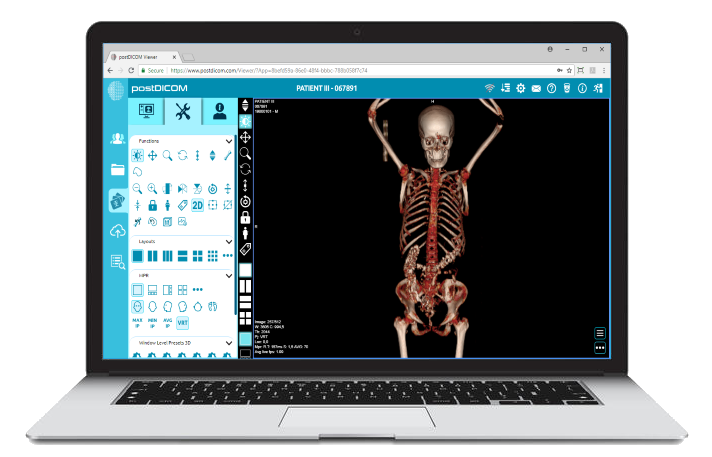
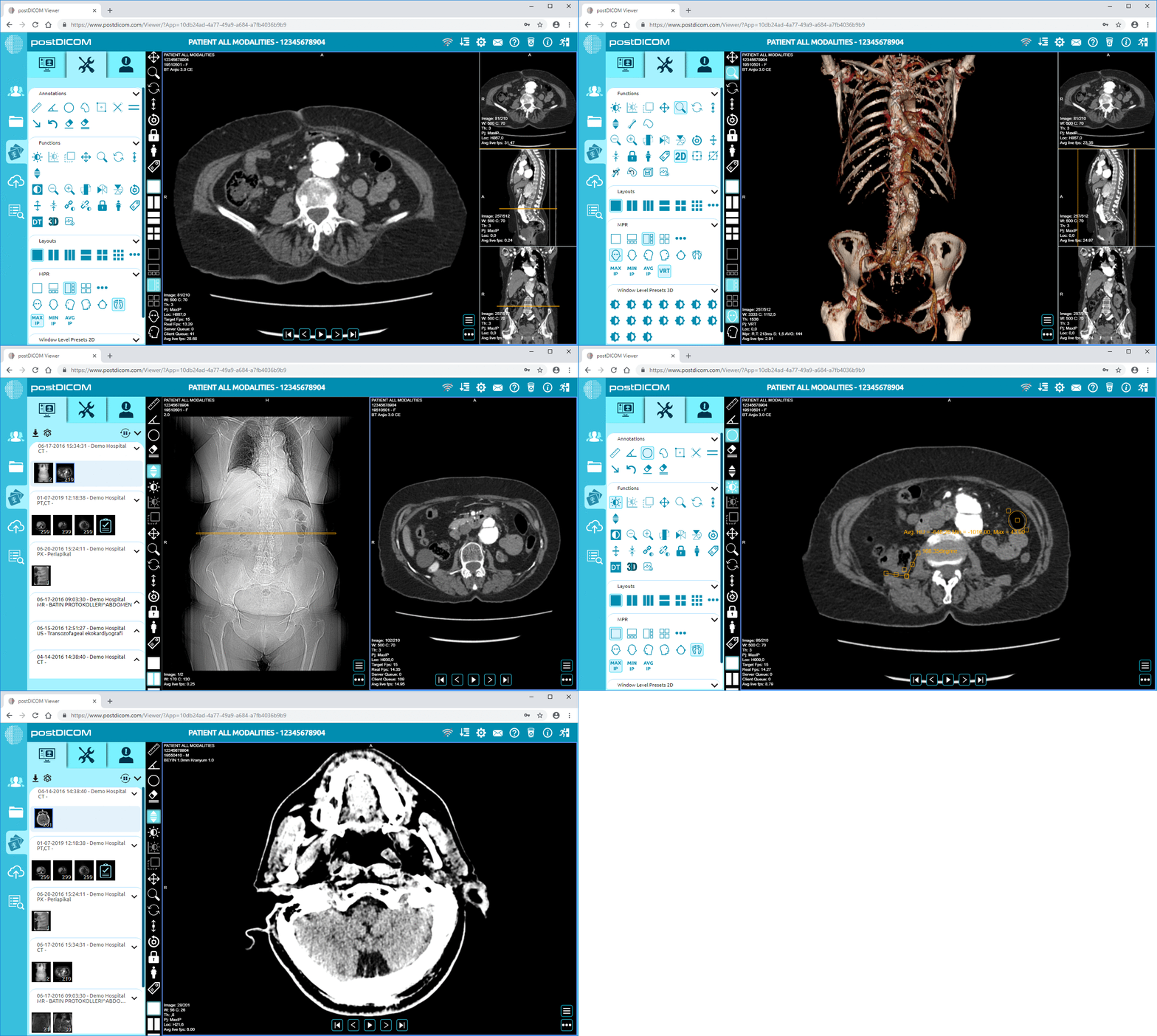
Cloud PACS and Online DICOM ViewerUpload DICOM images and clinical documents to PostDICOM servers. Store, view, collaborate, and share your medical imaging files. |